Operator's Brief
VPS or a dedicated box: the cost per client account
You are not buying a server for a website, you are buying capacity to resell, and the only number that matters is what one client account costs you on each option.
Straight answer first
Divide the monthly figure by the number of client accounts each option can carry with headroom, and a VPS wins until roughly the point where you would need three of them — after which one dedicated machine is cheaper, quieter and easier to explain to a client.
There is a second reason that overrules arithmetic. Some contracts require a machine nobody else is on, and some clients are large enough that the box becomes a line on their invoice instead of a cost on yours. When either is true, buy the metal and stop optimising.
Written by the Hosting Seller staff · Checked 4 August 2026
Free
Migrations onto either
24/7
People to escalate to
Daily
Backups you can automate
$0
Setup on either option
This page assumes you sell hosting rather than buy it. That changes the question completely: a website owner is asking what will make their site fast, while you are asking what capacity costs, how it fails, and what you tell forty clients when it does.
The comparison is also less about performance than the market pretends. Both options give you full root and both will run a panel. What differs is who else is on the hardware, what happens when you outgrow it, and how much of the failure is yours to fix at three in the morning.
Cost per account, not cost per server
Write down the number of client accounts you have and the number you expect in a year, then size against that. A 4 Core Unmanaged VPS gives you 4 vCPU, 4 GB of DDR4 and 75 GB of SSD; the 10 Core gives 32 GB and 400 GB. A dedicated Xeon E-2274G is 4 cores and 8 threads with 32 GB of RAM and either two 4 TB drives or two 960 GB NVMe drives.
Now divide. The interesting figure is not the monthly price, it is the price with realistic headroom left in — because a box run at ninety per cent is a box that will embarrass you the first week a client runs an import.
Bandwidth deserves the same treatment. The dedicated machine carries 100 TB a month at 500 Mbps, which is a number you can plan a hundred small sites against without checking it every month.
Which failures become yours on each
Both are unmanaged in the sense that matters: you own the operating system. The difference is what sits underneath. A VPS shares a hypervisor with other tenants, so noisy-neighbour effects are possible but hardware failure is somebody else's problem and rebuilds are minutes.
A dedicated machine gives you the whole box and hands you the hardware risk in exchange. Hardware replacement is covered and there is remote reboot plus a rescue mode, but a failed drive is still an incident you manage, which is why two drives ready for RAID is not a specification detail — it is the difference between a bad hour and a bad week.
Whichever you pick, decide now who is on call and what the client-facing message says. A reseller who cannot answer 'what happened' inside an hour loses accounts regardless of how quickly the site came back.
What the client experiences either way
Nothing, if you have done it properly. Your clients should log into cPanel through your own hostname, resolve through private nameservers carrying your brand, and never encounter a page that names the machine or the company above you.
There are two places that leaks. The first is mail: bounce messages and mail headers happily print a server hostname unless you set one you are happy for a client to read. The second is certificates — a client reaching a service over a default certificate will see a name that is not yours and will ask about it.
The dedicated machine arrives with the Hestia control panel already installed and AlmaLinux 9 by default, with other distributions available on request. If you are reselling cPanel accounts, plan the panel decision before provisioning rather than after your first client is on the box.
The two moments metal wins outright
The first is capacity: when you would otherwise be running three or four virtual servers and paying the coordination tax of keeping them all patched, monitored and backed up. One machine with 32 GB of RAM removes three sets of everything.
The second is the contract you can only win with isolation. A client who needs to say, in writing, that their data sits on hardware nobody else touches is a client whose invoice can carry the whole box — and a dedicated IPv4 address of its own, with DDoS filtering in front, is a much easier thing to describe in a proposal than a shared arrangement.
Everywhere else, start with the VPS. It provisions on payment, rebuilds from the panel, and takes extra SSD disks when a client grows, which is a far kinder way to be wrong about sizing.
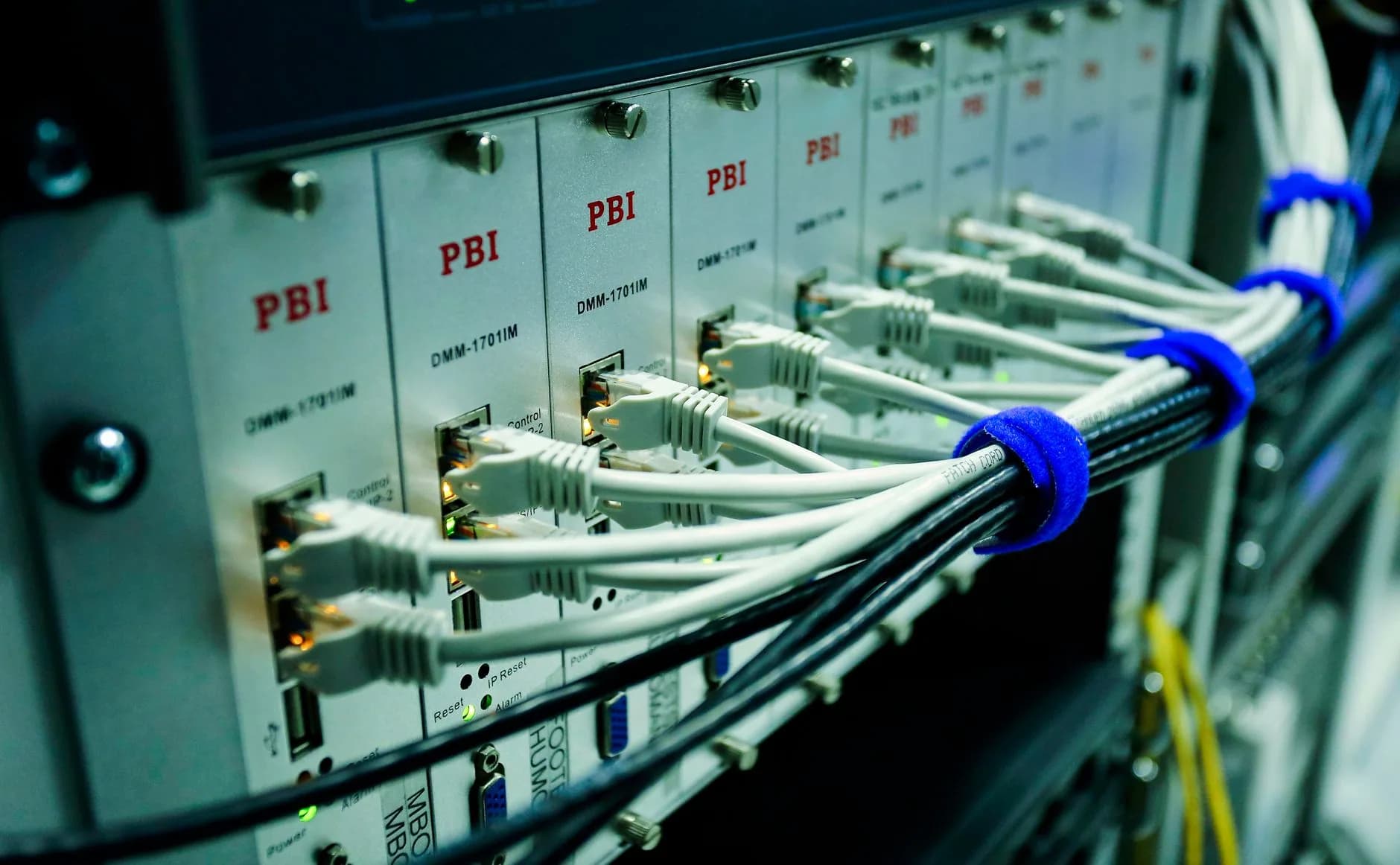
Bought to resell, priced to resell
Everything here is stocked for people putting their own name on it: free setup, a renewal figure that matches the order figure, and no per-seat surprises that turn your fixed client price into a variable cost.
You can also grow sideways rather than upwards. Reseller accounts, virtual servers and bare metal live on the same login, so a client who outgrows a shared account moves without you having to change supplier or explain a migration.
- London or Dallas at provisioning
- Root on both, panel your choice
- Hardware replacement covered on metal
- One login for every tier you sell
Why Hosting Seller
On every plan, as standard
Capacity you can divide
Six VPS sizes and a dedicated machine, so you can buy the shape your client list is now instead of the shape it might be.
Rebuild without a ticket
Reboot, rebuild and console from the panel, which turns a bad night into twenty minutes rather than a queue position.
Filtering in front
1 Tbps+ DDoS filtering and a 20 Gbps uplink on every virtual server, with filtering in front of the dedicated machines too.
Storage that grows
Extra SSD disks on demand, so the client who imports a decade of photographs is a change request rather than a migration.
Metal with cover
Hardware replacement, remote reboot and a rescue mode behind a 99.9% uptime guarantee, so the box being yours does not mean being alone with it.
Nothing at setup
Free setup on both, so testing a sizing decision costs you a month rather than a month plus a provisioning fee.
First Steps
From choosing to live
- 1
Count the accounts, then add the year ahead
Size against where the client list will be in twelve months, not where it is today, because moving accounts twice costs more than the headroom ever will.
- 2
Pick the panel before you pick the box
If you are reselling cPanel accounts, the panel decision changes both the cost and the provisioning. Decide it first and the rest of the sizing follows.
- 3
Rehearse a rebuild while the box is empty
Rebuild the server from the panel once, restore a test account, and time it. That number is what you will quote clients during a real incident.
- 4
Write the incident message before the incident
One paragraph you can send to forty clients at 3am, saying what happened and when it will be back. Drafting it calmly is the cheapest reliability work you will ever do.
In the Box
Packed with every plan
- Full root access on both, with nothing fenced off
- KVM virtualisation on the VPS side, whole machine on the dedicated side
- Xeon E-2274G with 4 cores, 8 threads and 32 GB of RAM on the dedicated box
- Two drives ready for RAID, in HDD or NVMe pairs
- 100 TB of bandwidth a month at 500 Mbps on the dedicated machine
- One dedicated IPv4 address you can point a proposal at
- AlmaLinux 9 by default, with other distributions on request
- Hestia already installed if you do not want to licence a panel
- Remote reboot, rescue mode and hardware replacement covered
- Free migration off shared hosting when you consolidate a client list
Across the Counter
Things people ask us all the time
How many client accounts should one server realistically carry?
Fewer than the specification suggests, because the limit is rarely disk. Watch memory and PHP workers first: a hundred quiet brochure sites are lighter than fifteen busy shops. Size so that losing your largest client changes nothing and gaining two more needs no phone call.
Does a dedicated server arrive with a panel, or do I licence one myself?
The Hestia control panel is already installed, and AlmaLinux 9 is the default build with other distributions available on request. If your clients expect cPanel because that is what you have trained them on, treat the licence as a planned line in your cost per account rather than a surprise after provisioning.
What happens to my clients while I move between boxes?
That depends entirely on how much of the delegation you control. If your clients point at private nameservers you own, you change the records once and nobody has to be told. If forty clients each point at an IP address you gave them years ago, you are about to discover why resellers insist on nameservers of their own.
Is either option covered by the money-back guarantee?
Neither. VPS and dedicated servers are provisioned to order the moment payment clears, so they sit outside it, as do domain registrations. Reseller hosting carries seven days and shared, business, WordPress and WooCommerce hosting carry thirty — worth knowing when you decide which tier a new client starts on.
Read next
Email Marketing and Hosting
Sending client campaigns without ruining the deliverability of every mailbox you host.
Hosting With Free Migration
Moving an inherited client list in without paying for the privilege, or asking the client to.
Dedicated Servers
Bare metal with hardware cover, a dedicated address and DDoS filtering in front.
WordPress Hosting
Managed WordPress accounts to sell on, with Toolkit and daily backups included.
Moving your site to another host? Start with this checklist.
A step-by-step order of work for a move your visitors never spot: which files to copy first, how to carry email across without losing one message, the right moment to repoint DNS, and the two mistakes behind nearly every hour of downtime people ring us about.
Buy the capacity, sell the accounts.
Six virtual server sizes and a dedicated machine, both with free setup and a renewal price that matches what you ordered at.
See Dedicated Servers plans