Mail Protection
Junk stops well before it reaches you
Incoming mail goes through two layers of scanning, everything you send leaves via MailChannels, and SPF, DKIM and DMARC keep your domain's name in good standing — all part of the hosting.
2-layer
Scanning in both directions
SPF · DKIM · DMARC
Authentication on every mailbox
MailChannels
Relay for everything you send
24/7
Filtering that never clocks off
The Result
A quieter inbox, and mail that gets there
Defence on the way in, reputation care on the way out, on every mailbox you run.

Junk stopped at the door
We score every message on sender reputation, on wording, on behaviour, and anything doubtful waits in quarantine instead of sitting in your inbox.
Attachments opened and checked
Whatever files and payloads ride in with your mail get matched against current threat signatures, which is where infected attachments and phishing links stop: the gateway.
Everything outbound goes via MailChannels
Everything you send goes out via MailChannels, which protects the shared sending reputation and keeps real messages clear of other people's spam folders.
Sender records set up for you
SPF, DKIM and DMARC go onto your domain from our end, so a receiving server can tell your mail is genuinely yours. Spoof your address and you get nowhere.
Signatures kept current
Rules and signature databases refresh right around the clock, which means a spam run launched this morning is already known to the filter. You do nothing.
Your site never feels it
Scanning happens at the mail gateway, not on your website, which leaves pages and the control panel running at exactly the speed they always did.
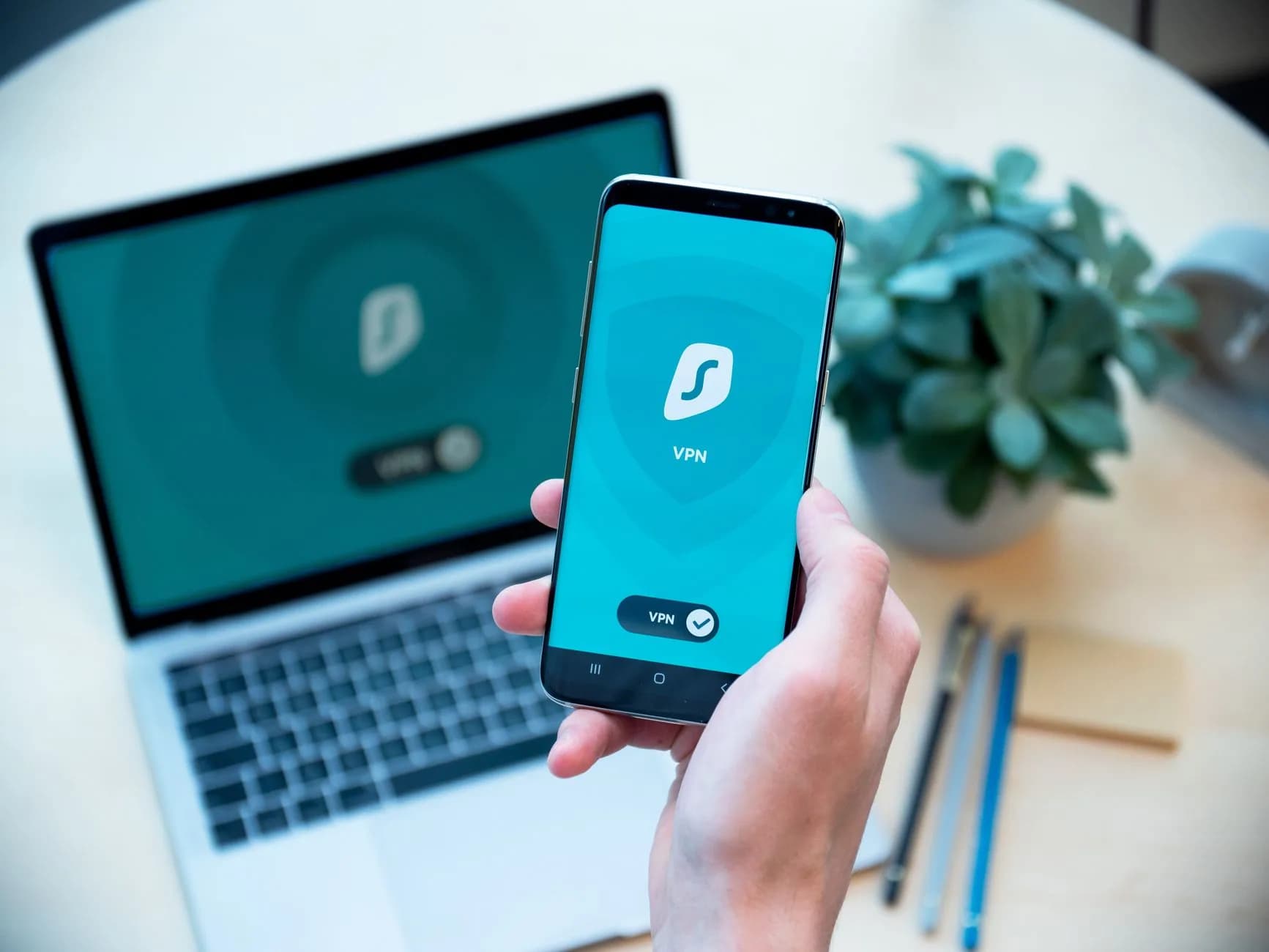
On The Way In
Stopped at the gateway, not inside your inbox
Nothing arrives without the filter having read it through first. Each message gets weighed on sender reputation, on its content, and on how safe anything attached happens to look, and whatever reads as spam, malware or a phishing attempt waits in quarantine, which leaves the inbox for mail that deserves a few minutes of your attention.
- Scored on reputation and content
- Viruses and malware checked live
- Phishing and spoofing detected
- Doubtful mail held for review
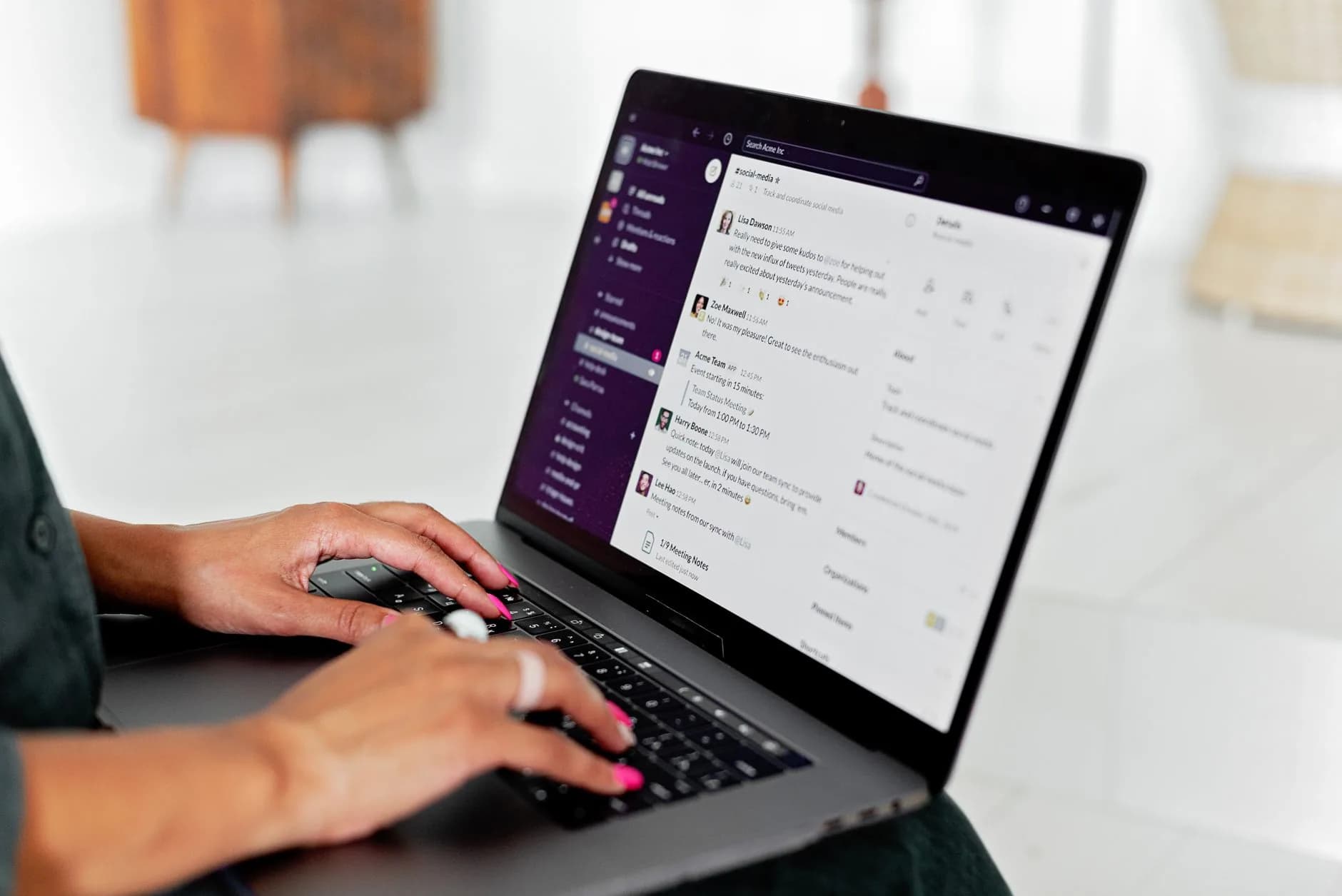
On The Way Out
MailChannels sees your outgoing mail delivered
Mail from a shared server is worth sending only if it lands. Yours leaves through MailChannels, a relay made to protect sending reputation, which is how invoices, password resets and newsletters end up in the inbox at the far end rather than in the junk folder.
- A relay built purely for sending
- Sending reputation protected
- Fewer messages marked as spam
- Delivery you can rely on

Trust And Delivery
Mail a receiving server can actually verify
Delivery is a question of trust. SPF, DKIM and DMARC go on your domain from our side, and your reverse DNS gets lined up to match, which hands a receiving server hard proof that your messages are genuine. Better inbox placement follows from the start, and a sending reputation that only gets stronger with time.
- SPF, DKIM and DMARC configured
- Reverse DNS lined up
- Spoofing of your domain shut off
- Sender reputation that builds
Stopped At The Door
What never gets through

Bulk mail and junk
Newsletters nobody subscribed to, outright scams, bulk sends: all scored, all diverted into quarantine rather than into the inbox.
Phishing and impersonation
A sender pretending to be someone else, a link built to harvest logins: both get flagged before anybody on your team opens them.
Attachments carrying malware
Risky file types and known malware come off at the gateway, which keeps anything infectious away from a desk.
Under The Hood
Protection that asks nothing at all of you

- 1
Your mail already comes through us
Cover starts on day one for every mailbox hosted here. No plugin to install, no outside service to wire up.
- 2
We read it on the way in and on the way out
Mail coming in gets screened for spam and malware; mail going out leaves through MailChannels, which is what actually gets it delivered.
- 3
Real mail lands, the rest waits
Real messages land fast with their authentication intact, while anything questionable sits in quarantine until you get round to looking.
As Standard
What every mailbox gets
- Incoming mail scored, with quarantine
- Attachments scanned for viruses and malware
- Phishing and spoofed senders picked up
- Outbound relay through MailChannels
- SPF, DKIM and DMARC configured for you
- Reverse DNS aligned with your domain
- Rules and signatures updated continuously
- Filtering across every mailbox, not only the first one
- Nothing to install at your end
- Support from real people, day or night

Always Watching
Filters that move as fast as the threats do
Fresh threats appear daily, so a filter that stands still is no filter at all. Ours pulls in new signature data and scoring rules without pause, catching emerging spam and malware campaigns as they surface, and it does all of that in the background without asking a thing of you.
- Signatures refreshed constantly
- New spam runs caught early
- No tuning on your part
- Protection you never have to think about
FAQ
Questions about mail filtering
Does filtering come with the hosting, or cost extra?
It comes with the hosting. Spam and virus scanning on the way in, MailChannels delivery on the way out, both already running on every mailbox we host, and neither costs a penny. Nothing to buy, nothing to switch on.
What is MailChannels doing for me?
MailChannels is a relay built for one job: outgoing mail. Routing through it protects the reputation of the sending IP, and that in turn makes other providers much less inclined to drop your legitimate messages into a junk folder.
What if a real message gets flagged?
Now and then, yes, and that is exactly why doubtful mail goes into quarantine instead of being deleted. Look through whatever is being held, release anything caught by mistake, and the filter takes a lesson from each release.
What do SPF, DKIM and DMARC actually do?
Taken together, those three records prove that mail sent in your domain's name genuinely came from you. Once all three sit in place, a spammer cannot pass himself off as your address, and inbox providers are given a solid reason to trust what you send and to deliver it.
Will any of this slow down my site or my mail?
No. All the scanning happens at the mail gateway, well away from your website, so site and control panel keep their usual speed and messages still land without delay.
Do I have to change how I read my mail?
Not in the least. Filtering runs quietly in the background, so keep using webmail, Outlook, Apple Mail or whichever IMAP or POP client you already have in front of you.
Give your inbox some peace.
Spam and virus filtering, MailChannels outbound delivery and full SPF, DKIM and DMARC authentication come with every hosting plan.
See Hosting PlansThe average inbox spends more time deleting than reading. Filtering is the cheapest hour you will ever buy back for a team. It runs on NVMe arrays with LiteSpeed in front, in data centres with conditioned power and more than one road to the internet.
A good fit for teams buried under junk mail. The certificate is free, the move is free, the backups run themselves, and support answers in minutes whatever the clock says.
Junk stopped before it arrives
Inbound messages are scored on reputation, content and attachments before they reach a mailbox: obvious junk is stopped, the borderline is quarantined and you decide. Outbound filtering matters just as much — it catches a compromised account before your domain lands on a blocklist and your invoices stop arriving.
None of that depends on which tier you buy. NVMe storage, LiteSpeed with HTTP/2 and the 99.9% uptime SLA are the same on the cheapest plan and the largest one.
What filtering is worth
You can compare Hosting Seller properly because nothing is hidden to compare. The listed price already includes the certificate, the migration, the backups and the support — the parts other hosts add on later. Every hosting plan carries a 30-day money-back guarantee, so trying us out costs you an afternoon at worst.
Filtering is part of the mail service rather than a per-mailbox add-on, so protecting the whole team costs nothing extra — including the addresses that only ever receive.
How messages are inspected
Filtering runs on relays in our London datacentre, updated continuously with fresh signatures and reputation data. Quarantine and delivery logs are yours to read from the panel whenever you need to prove a message arrived.
Backups run daily and restores are yours to trigger from the panel: no ticket, no queue, and no waiting for office hours that do not exist here anyway.
- Inbound scoring with a quarantine you control
- Outbound filtering that guards your reputation
- a 99.9% uptime target credited against the SLA
- Daily backups with self-service restores
Worth Knowing
What else you get in the box
Your domain stays deliverable
Outbound scanning catches a hijacked account early, before a blocklist decides your mail is unwelcome.
A panel that makes sense
Files, databases, mail, DNS and installers in one place, kept on a current release.
Move up without moving out
Upgrade when the mailbox needs it; your files, settings and address all stay exactly where they are.
Nothing holding you here
Your data exports the same way it arrived, and we will help you pack if it comes to that.
Speed you never configure
Every mailbox runs on NVMe with caching already switched on at the server — nothing for you to tune.
Certificates included
SSL is bundled and self-renewing on every domain, so encryption never turns into an upsell.
Starting Out
From order to live in three steps
- 1
Choose your tier
Choose a plan with mail for the addresses you want protected.
- 2
Bring your domain
Point the MX records at the filtering relays; we confirm they are right.
- 3
Open for business
Set your thresholds and let the quarantine hold back the rest.
On the Shelf
Also included, no extra charge
- Every hosting plan comes with 30 days to change your mind
- Spam and virus scanning on every mailbox
- Quarantine and delivery logs you can read
- Move up a tier without moving your files
- Registered in the UK, priced in US dollars
- Built for teams buried under junk mail
- Free SSL on every domain you host
- Migration done by our engineers, no charge
Still Asking
Other questions that keep coming up
What happens if a real message gets filtered?
It waits in quarantine rather than vanishing. Release it in a click and add the sender to an allow list so it cannot happen twice. If something important is caught repeatedly, our desk tunes the rules with you instead of telling you to keep checking the folder.
Is there a wait after I order?
Minutes after checkout. A migration from another host adds a day at most and costs nothing — our engineers handle files, databases, mail and DNS.
Is there a charge for certificates?
Free, fitted and self-renewing. The only reasons to buy a certificate here are a wildcard or a validated seal for procurement.
What if email spam filtering is not the right fit?
There is a 30-day money-back guarantee on the plan. Ask inside the month and you get your money back: no exit interview, and nobody transferring you to a team whose job is talking you out of it.
Read next
Email Hosting
Mailboxes on your own domain, junk filtered out.
Secure Hosting
Hardened accounts, DDoS filtering, daily copies.
Web Hosting
cPanel on NVMe from $2.42/mo, SSL and the move included.
Pulled from the Resource Library
How to Stop Email Going to Spam
Outbound deliverability, sorted out at the DNS layer.
What is a Spam Filter?
How a filter chooses what reaches the inbox.
How to Create an SPF Record
The DNS record any sending domain needs first.